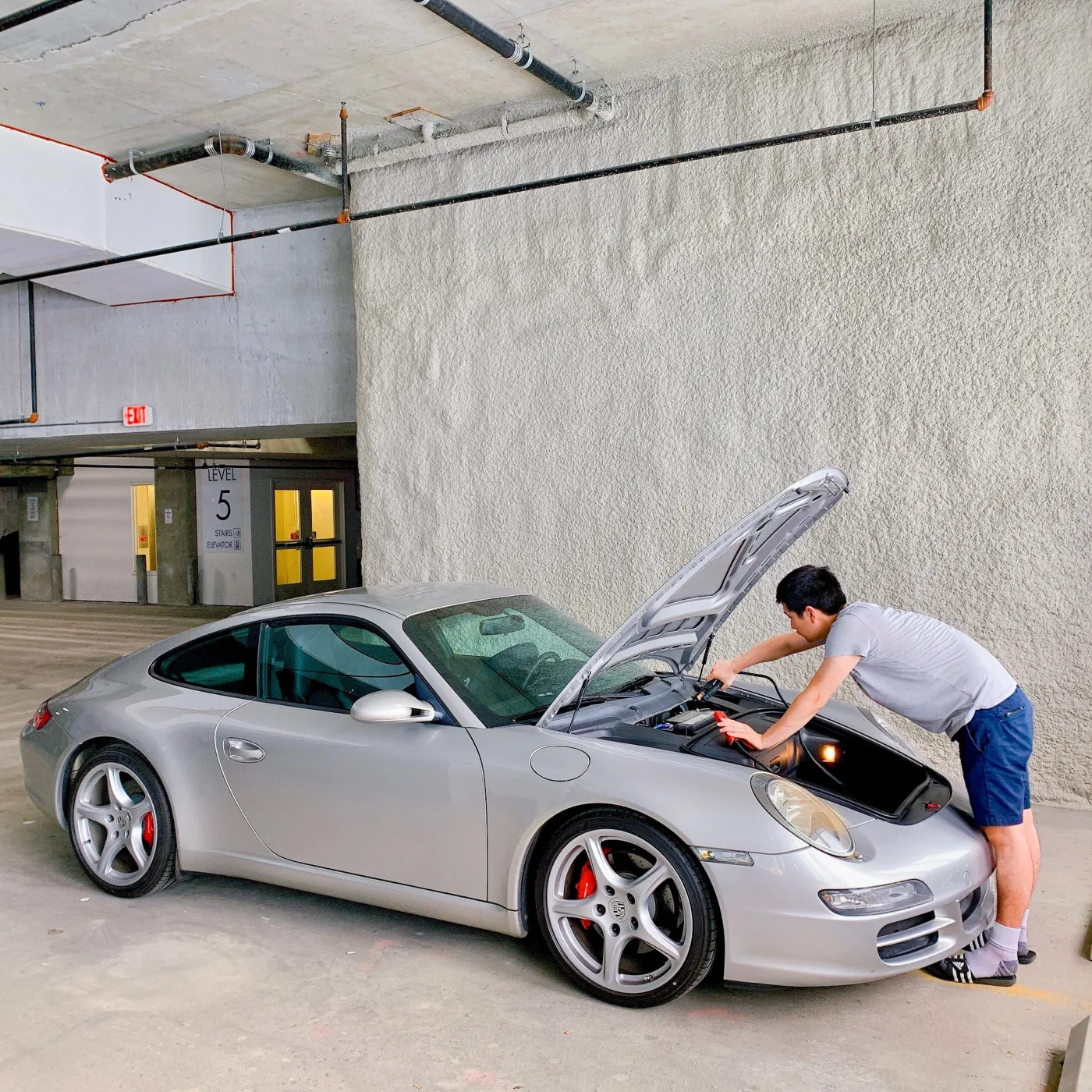
Buyers love the phrase fully documented, but it can mean almost anything. Some cars have a thick folder full of easy receipts and no clarity on the expensive questions. Other cars have lighter paperwork but a more honest ownership story. The point is not paper count. It is whether the records help you trust the car.
What to pull together first
- Service invoices, not just stamped booklets or summaries.
- Names of the shops that have worked on the car.
- Major repair or replacement history.
- Any recent work tied to the current listing claims.
What buyers miss
They assume the presence of records proves quality. Records are evidence, not a verdict. You still need to know whether the condition of the car supports what those records seem to say.
Where the checklist becomes useful
When the records, the seller story, and the inspection findings line up, confidence gets easier. When they do not, the folder stops being reassurance and becomes leverage in the negotiation.
What the debrief should answer
Do the records support this price and this story, or do they expose gaps that make the car less attractive than the listing sounds?