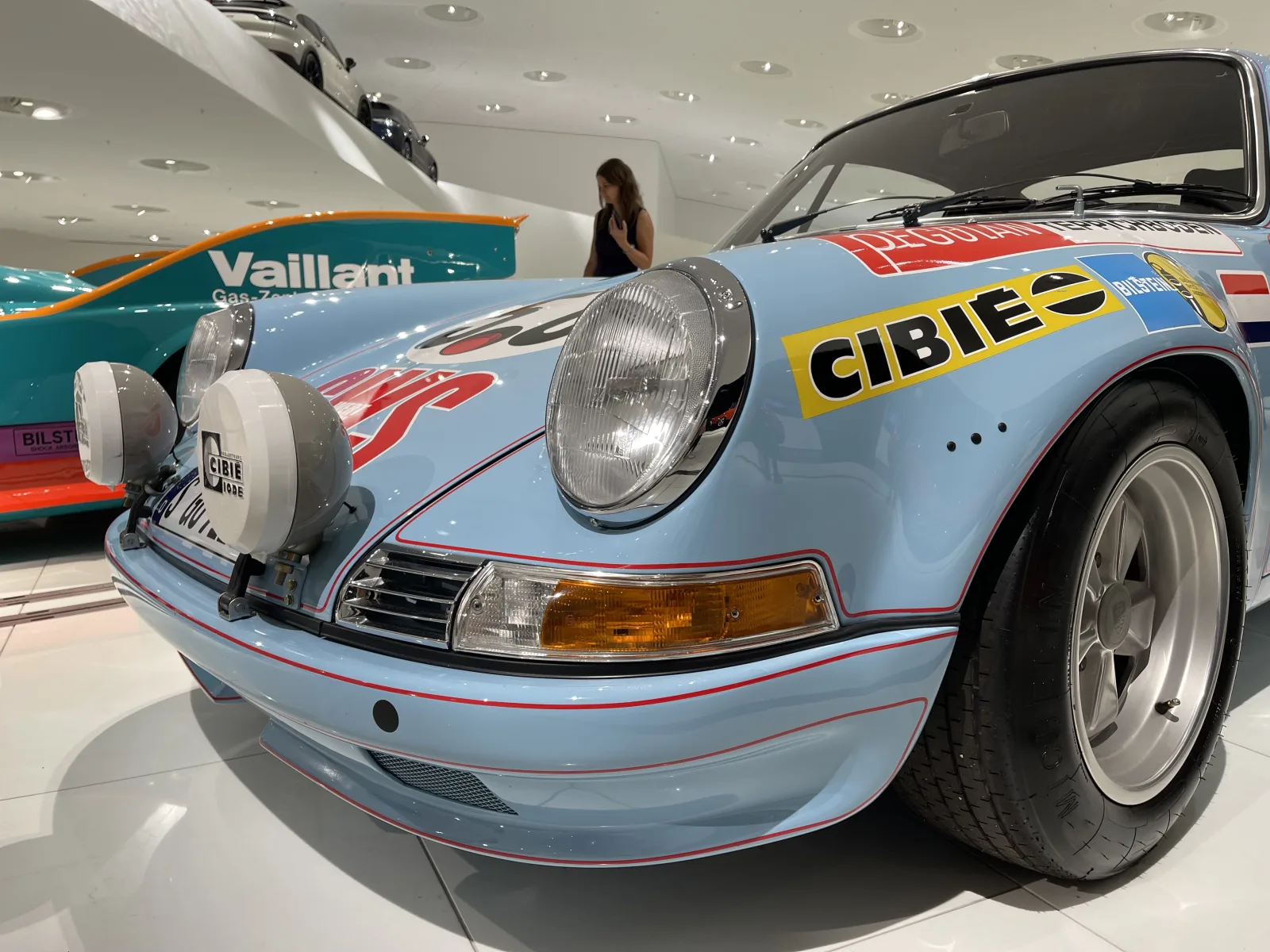
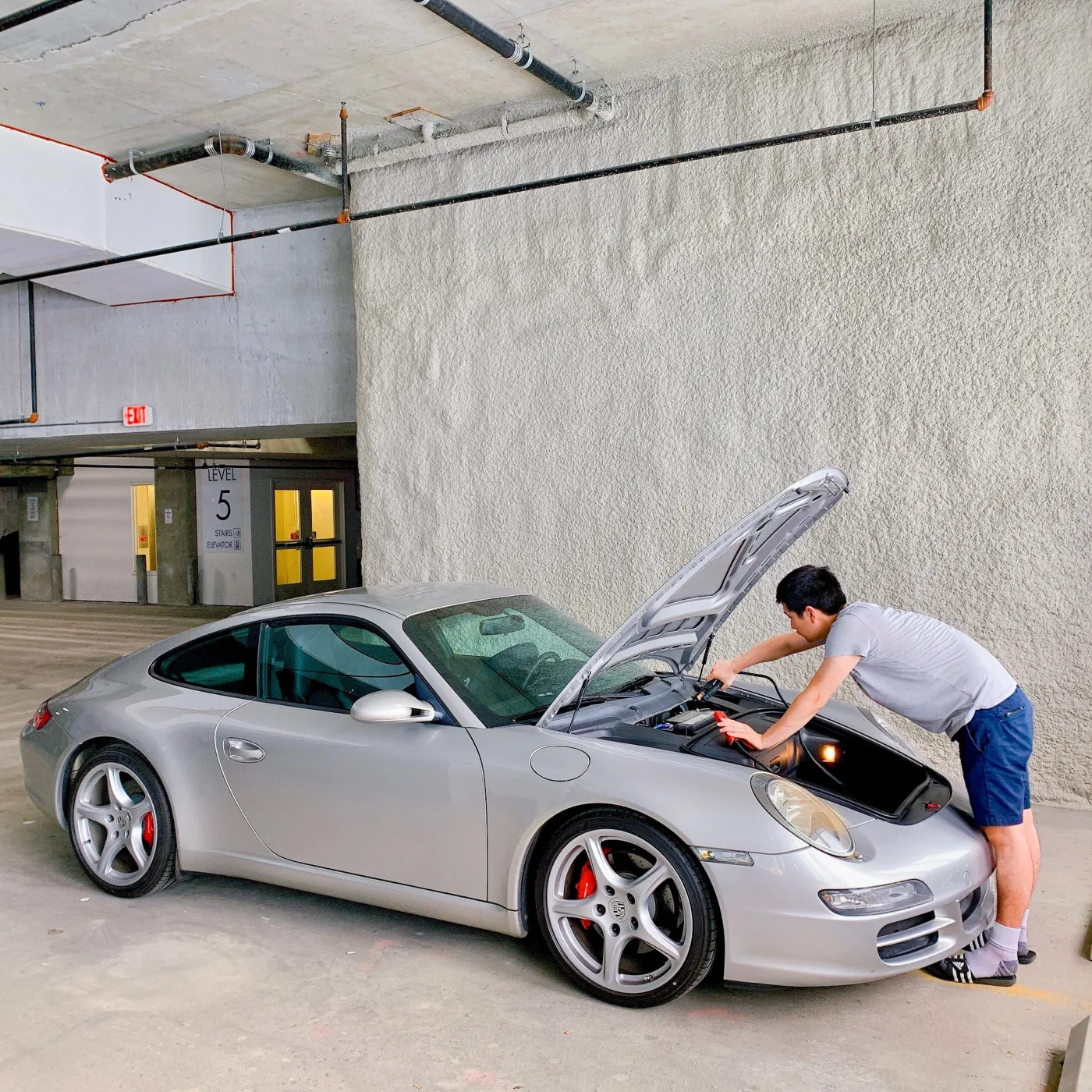
Most people ask whether a car passes the PPI. That is the wrong frame. Older Porsches almost never come back perfectly clean. What matters is whether the inspection helps you understand the version of ownership you are about to buy into.
Start with the expensive unknowns
A good Porsche PPI does not lead with trivial cosmetic notes. It starts with the things that can really hurt: accident evidence, poor paintwork, engine risk, cooling-system issues, fault-code context, over-rev history, or signs the car has lived a harder life than the listing suggests.
Connect the findings
One data point rarely tells the whole story. Clean paint readings matter differently when the panel gaps are odd. A stored fault code matters differently when the cold start is ugly and the records are thin. The value of the inspection is the interpretation. Anyone can hand you observations. The hard part is turning them into a read on the car.
By the end, you should know
- What looks normal for this model and what does not.
- Which issues are urgent and which can wait.
- Where the seller story lines up with the evidence and where it falls apart.
- Whether the asking price still makes sense now that the facts are on the table.
It should leave you with something you can review later
Photos, video, scan data, paint readings, and a clear debrief matter because big purchase decisions rarely happen in one calm moment. Once the adrenaline wears off, you want real documentation, not a foggy memory of a phone call.
A good PPI does not exist to make the report longer. It exists to make the decision clearer.